Depressive Disorders | Psychology Today
A depressive disorder is an illness that involves the body, mood, and thoughts. It interferes with daily life, normal functioning, and causes pain for both the person with the disorder and those who care about him or her.
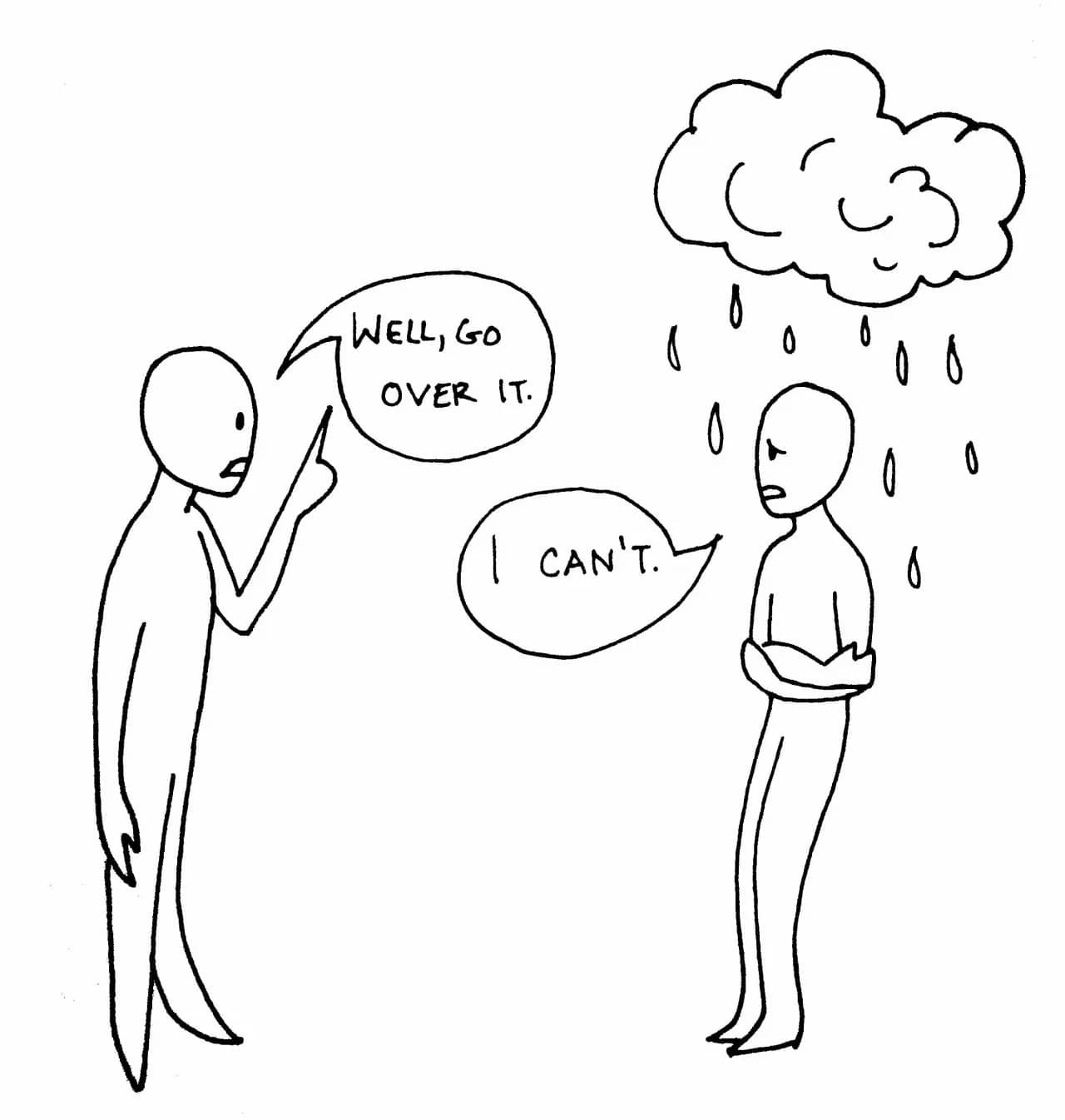
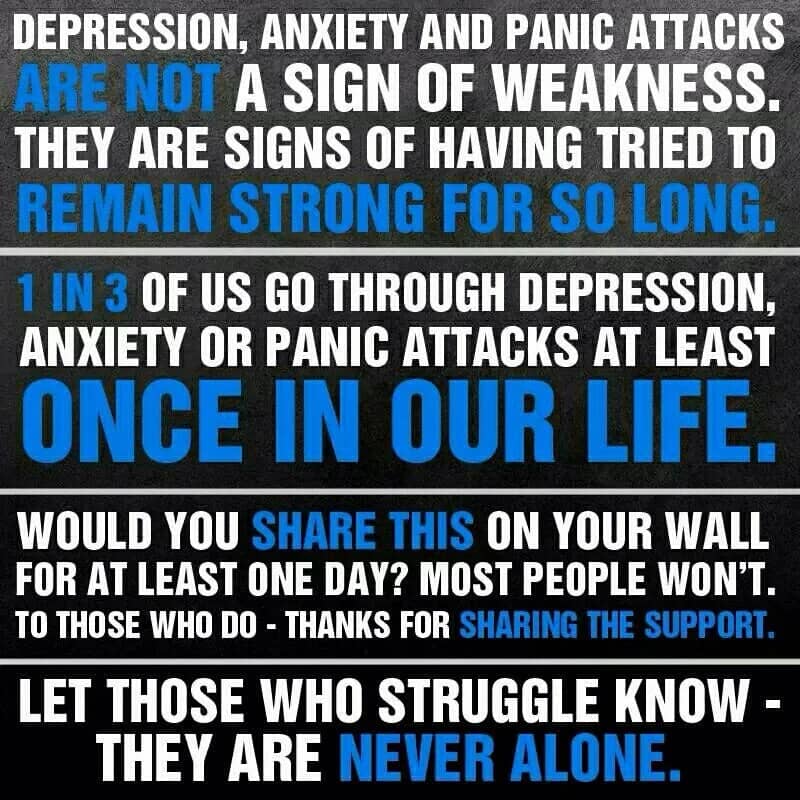
A depressive disorder is not the same as a passing blue mood. It is not a sign of personal weakness or a condition that can be willed or wished away. People with a depressive illness cannot merely “pull themselves together” and get better. Without treatment, symptoms can last for weeks, months, or years. Depression is a common but serious illness, and most people who experience it need treatment to get better. Appropriate treatment, however, can help most people who suffer from depression.
How to Help Yourself If You Are Depressed
Depressive disorders can make a person feel exhausted, worthless, helpless and hopeless. Such negative thoughts and feelings make some people feel like giving up. It is important to realize that these negative views are part of the depression and typically do not reflect actual circumstances. Negative thinking fades as treatment begins to take effect. In the meantime:
Set realistic goals in light of the depression and assume a reasonable amount of responsibility.
Break large tasks into small ones, set some priorities and do what you can, as you can.
Try to be with other people and to confide in someone; it is usually better than being alone and secretive.
Participate in activities that may make you feel better.
Mild exercise, going to a movie or a ball game, or participating in religious, social or other activities may also help.
Expect your mood to improve gradually, not immediately; feeling better takes time.
It is advisable to postpone important decisions until the depression has lifted. Before deciding to make a significant transition—change jobs, get married or divorce—discuss it with others who know you well and have a more objective view of your situation.
People rarely “snap out of” a depression. But they can feel a little better day by day.
Remember, positive thinking will replace the negative thinking that is part of the depression, and this negative thinking will disappear as your depression responds to treatment.
Let your family and friends help you.