Reflections from Simbiosis Bisnis 2025; on true collaboration, comfort zones, and finding mutual growth in business and life.
Maybe real success isn’t about expanding outward, but about digging deeper where you already stand. — Nuniek Tirta Sari
It was my daughter’s 19th birthday, hubby and I waited until midnight to congratulate her and gave the birthday present she'd been requesting for: black cat neck pillow from Mr. DIY 😄
A few days before, the personal assistant of Ryan M. Tallulah (founder of Bardi, among other 14 companies he built and invest), texted to invite me as a VIP guest to Simbiosis Bisnis 2025. “We’d like to prepare VIP seats and special arrangements for you.”
So off we went: my husband dropped me off at Graha Bhakti Budaya Taman Ismail Marzuki and he continued the journey for a meeting with his angel investor, and came back to join me after the meeting.
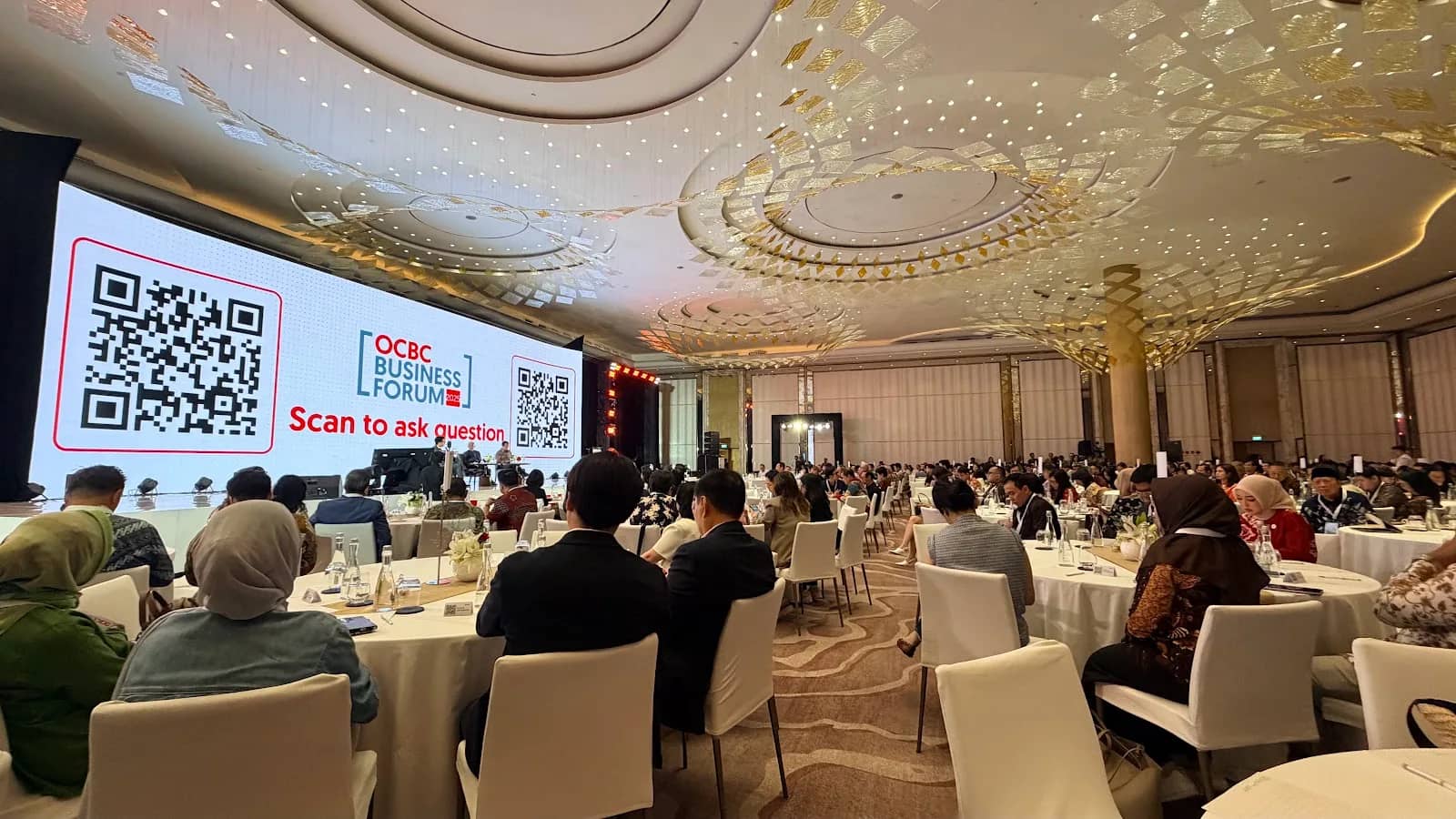
I spent the day listening to entrepreneurs talk about business moats, comfort zones, and symbiosis. Also, networking with other attendees. The event was called Simbiosis Bisnis, “Business Symbiosis.”
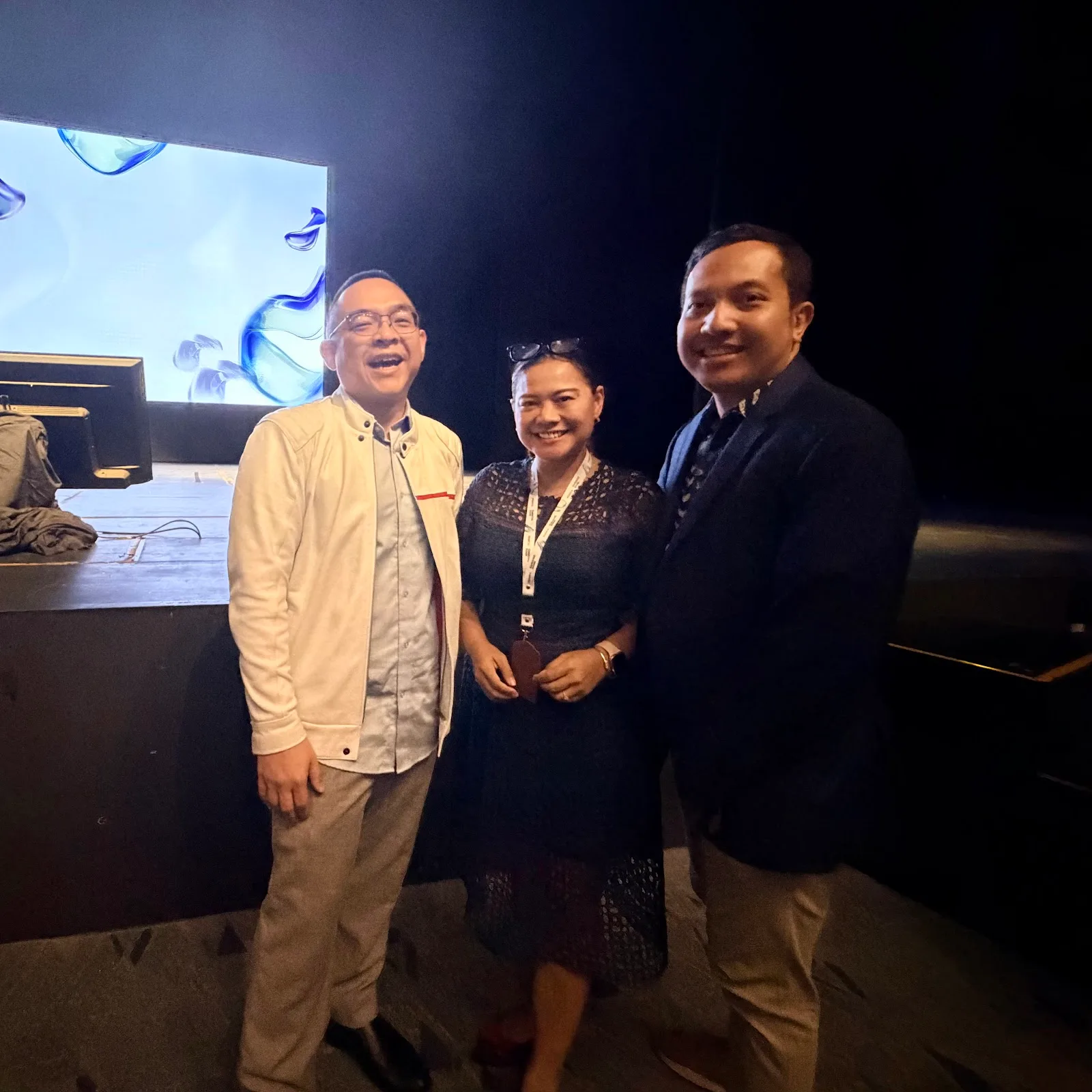 |
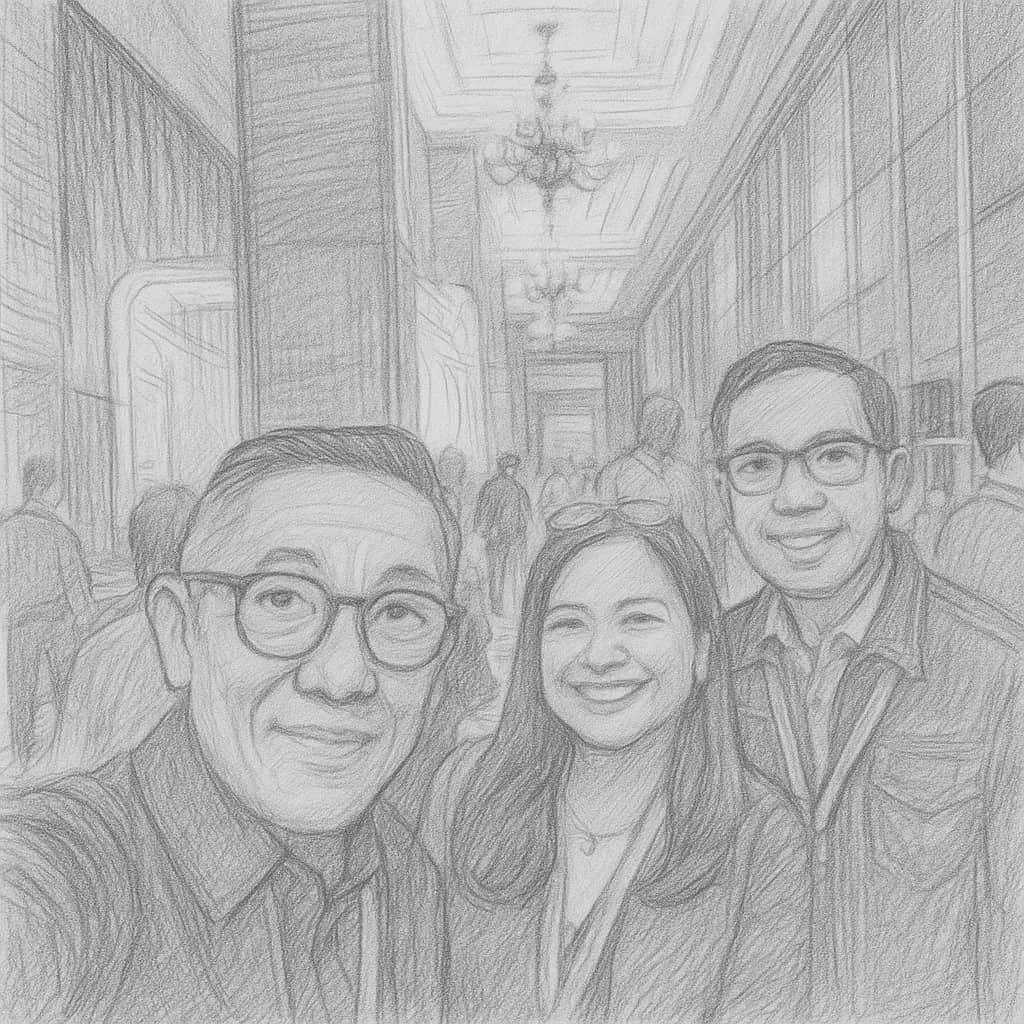
| Ryan Maurice Talullah, Nuniek Tirta Sari, Natali Ardianto |
He asked, “Can there really be win-win-win? Or does someone always lose for others to gain?”
Sometimes what looks like mutualism from one side feels like amensalism from another.
“Even when you’re right,” Ryan said, “you can still be seen as wrong by people who are wrong, because everyone is just too focused on their own world.”
And I thought, isn’t that true not just in business, but in life?
One of my favorite metaphors of the day was when Ryan talked about the business moat, that protective trench around your “castle.” Most motivational speakers love to tell people to “get out of your comfort zone.” But Ryan flipped that narrative:
“Instead of escaping your comfort zone, expand it.Keep digging. Make it wider and deeper. That’s how you grow.”
Growth isn’t about chasing newness. It’s about rooting.
Like deepening your well instead of drilling a hundred shallow ones.
When you focus on what you already do well (the skill, network, knowledge, or experience that’s uniquely yours), you naturally start building your moat. You stop competing, and you start compounding.
And that, Ryan said, is when real collaboration becomes possible. When multiple “islands of business” each strengthen their own moats, eventually they form a bonus land: new territory created through mutual growth.
Bonus land. I loved that phrase.
Because it’s not about taking from others, but about building together; like five islands connecting through the rising tide.
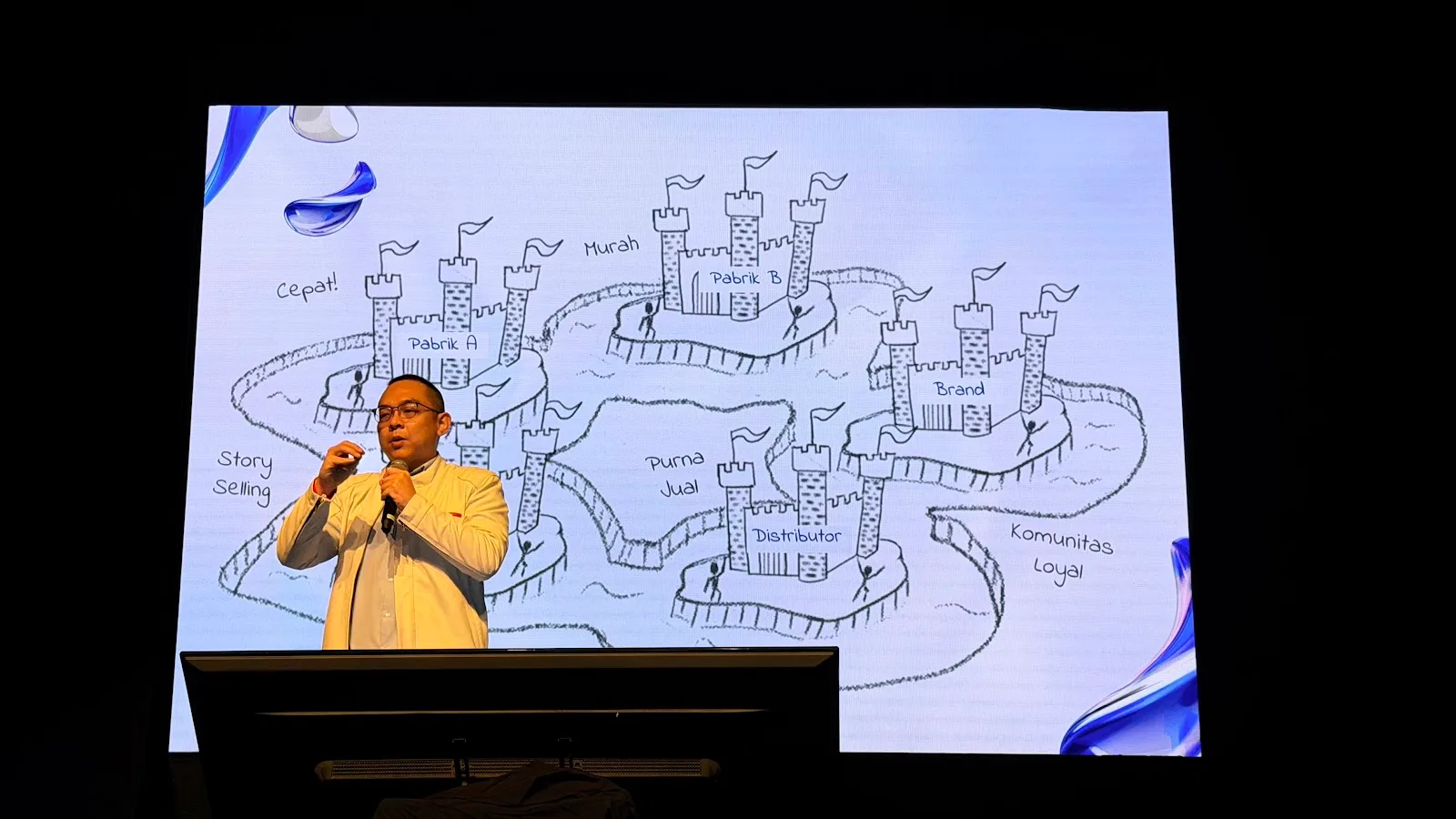 |
| Ryan M. Talullah and illustration of Bonus Land analogy |
Ryan also spoke about the three stages of an entrepreneur:
Sell yourself.
Sell a solution.
Sell a dream.
Each stage sounded simple, but as I listened, I realized how many people (myself included) sometimes try to skip ahead to “selling dreams” without fully understanding what we’ve already built.
As he put it, “Tell people you’re going from Jakarta to Bandung. Some will join you only until Karawang, and that’s okay. Cost sharing.”
That’s exactly how relationships work; in business, in friendships, even in family. Not everyone is meant to walk with us to the very end. And that’s okay.
Then he continued with how to actually sell solutions, not just ideas.
He said, for us to sell a solution, we only need to do three things:
I do, you don’t see.
I do, you see.
I do, you help.
You do, I help.
You do, I see.
You do, see you.
And then came the part about the idea of non-financial assets.
Reputation is how people know you. Hobby is what keeps you sane when the applause fades.
He said, “Why hobby is very important? Because when it’s winter, when income slows and validation stops, hobby keeps you consistent.”
When life feels barren, writing is what keeps me warm. It has always been that quiet fire for me.
Maybe that’s my own moat; my way of expanding comfort by returning to what grounds me.
Toward the end, Ryan shared his view on consistency:
“Consistency isn’t doing the same thing every day.It’s waking up fifteen minutes before you’re needed.It’s taking one step in the same direction, every day.”
I smiled at that. Because consistency often feels like an enemy of creativity. But maybe, when framed this way, it’s actually its best friend; a rhythm that frees us from chaos.
At one point, just as Pak Sandiaga Uno’s session ended, Ryan Tallulah himself came over to where we were standing near the stage. He chatted with us warmly for quite a while, until one of the crew gently interrupted to remind him he was being called for a group photo with Pak Sandiaga.
While enjoying the steak, we talked a lot about meaningful stuff. I looked at her across the table: nineteen, independent, full of dreams, and realized how everything I’d heard that day circled back to this moment.
Maybe that’s the real simbiosis.
Not about who wins or loses, but about learning to grow together, one deeper step at a time.